Mapped Out and Ready: How US K-pop Fans Are Turning Release Schedules Into a Way of Life
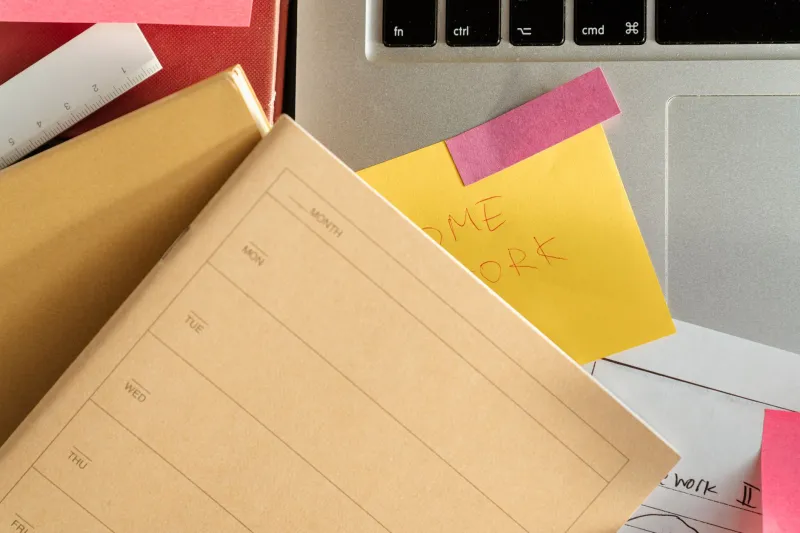
Ask most people how they plan their year and you'll hear the usual stuff — holidays, birthdays, maybe a vacation or two. Ask a dedicated K-pop fan the same question and you might get a very different answer: a Google Sheet with conditional formatting, a shared Notion board with comeback countdowns, and a Discord server where someone has already pinned the next six months of anticipated release dates.
This is the reality for a massive chunk of the American K-pop community right now. Organizing around comeback schedules isn't just a habit — for a lot of fans, it's practically a lifestyle.
The Spreadsheet Is the New Fan Diary
It probably started innocently enough. You wanted to keep track of when your favorite group was dropping their next album. You made a note in your phone. Then another group announced a comeback. Then another. Suddenly you needed a system.
That's the origin story for countless fans who've ended up building genuinely impressive tracking setups. We're talking color-coded Google Sheets that log teaser schedules, physical album pre-order windows, music show appearance dates, and comeback livestream times — all converted into EST or PST because, yes, that 6 AM KST release hits very differently when you're on the East Coast versus the West Coast.
Fans in communities here on KpopSNS and across platforms like Twitter and Reddit have started sharing their templates openly, and some of these documents are works of art. Tabs for each group. Conditional formatting that turns cells green when something has dropped and red when a pre-order deadline is approaching. Embedded links to Weverse posts and VLive archives. It's the kind of organizational energy that, honestly, a lot of corporate project managers could learn from.
Community Calendars Are the Real MVPs
Beyond individual tracking, something bigger has emerged: community-run comeback calendars that serve entire fandoms at once. These aren't official resources from labels or artists — they're fan-built, fan-maintained, and fan-distributed.
Discord servers dedicated to specific groups or to K-pop broadly have become the main hub for this kind of coordination. Server moderators or dedicated volunteer members take on the role of calendar keeper, posting weekly roundups of what's coming, what just dropped, and what needs streaming attention. Some servers have automated bots that ping members when a new teaser posts or when a music video crosses a milestone.
The level of coordination is genuinely impressive. And it matters, because K-pop releases don't operate on a slow drip. A single comeback can involve weeks of teasers, multiple concept photos, highlight medleys, dance practice videos, behind-the-scenes content, and then the actual release — all before the promotional cycle of music show performances even begins. Without a system, it's easy to miss something.
The Time Zone Problem Nobody Warned You About
Here's the thing about loving music that's made on the other side of the world: the clock is never in your favor. Most major K-pop releases drop at midnight KST, which translates to somewhere between 10 AM and 11 AM Eastern the day before, or 7 AM to 8 AM Pacific. That's actually manageable for a lot of fans.
But music show wins? Live countdown streams? Those are a different story. M Countdown airs Thursday evenings in Korea — which is Wednesday morning in the US. Music Bank on Fridays becomes Thursday morning. For fans who care about first-week chart performance and streaming numbers, those windows matter, and catching them live often means setting alarms for hours that feel genuinely unreasonable.
Group viewing parties have become one way the community handles this together. Fans coordinate through Discord, Twitter Spaces, or even just a group chat to watch music show broadcasts simultaneously, react in real time, and hype each other up through the fatigue. There's something kind of beautiful about a bunch of people in different US time zones all collectively exhausted and screaming about a music show performance at 7 AM on a Thursday.
When Comebacks Collide
Here's where things get genuinely stressful: the overlap problem. K-pop agencies don't coordinate with each other, which means comeback seasons — especially around spring and fall — can turn into an absolute pile-up. Multiple groups you love dropping albums in the same week isn't exciting. It's a logistical nightmare.
Fans who follow more than one group know the anxiety well. Streaming hours are finite. Purchasing budgets are real. Attention is limited. When two favorites drop in the same week, there are actual community conversations about how to split streaming efforts, whether to prioritize chart performance or personal enjoyment, and how to avoid guilt about not doing enough for both.
Some fans have started building what they call "fandom triage" plans — essentially deciding in advance which group gets priority resources during overlapping comeback windows. It sounds intense, but for fans who take streaming seriously as a form of support, it's a practical necessity.
The anxiety that comes with overlap seasons is real, and it's something the community talks about openly. Burnout is a known risk. Spreadsheets help, but they can also turn something that's supposed to be fun into something that feels like a second job.
Finding the Balance Between Organized and Overwhelmed
The best fans — the ones who've been at this for years — tend to share similar advice: build your system, but know when to step back from it. A comeback calendar is a tool, not a mandate. Missing a livestream doesn't make you a bad fan. Choosing sleep over a 3 AM streaming party is a completely valid decision.
The organizational culture that's grown up around K-pop release schedules in the US is genuinely fascinating. It reflects how seriously fans take their investment in these artists, and how creatively they've adapted to the challenges of loving music made in a different time zone. But the healthiest version of it is one where the spreadsheet serves the fan — not the other way around.
If you've built a comeback tracking system you're proud of, share it in the KpopSNS community. Someone out there is definitely starting from scratch and would love the head start.