Fan-Made and Thriving: Inside the Secret Creative Economy K-pop Stans Built Themselves

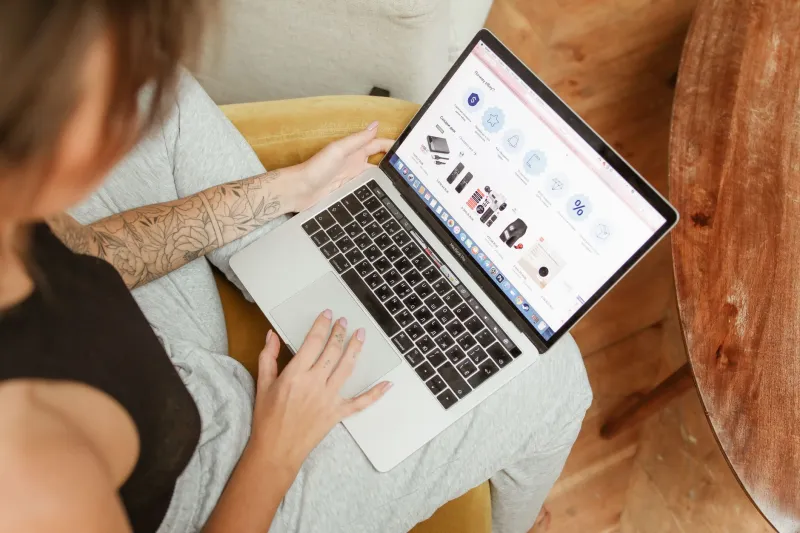
Photo by Photo by Loow Invernissi on Unsplash on Unsplash
If you've spent any real time in a K-pop fandom — like, actually in it, not just following a group's official Instagram — you already know there's a whole other layer underneath the official stuff. There are fan edits so polished they look like album promo shots. There are custom acrylic keychains, embroidered tote bags, and phone cases featuring your bias in art styles that the group's actual creative team has never touched. And almost none of it goes through the label.
Welcome to the screenshot economy — the sprawling, semi-private creative marketplace that US K-pop fans have been quietly building for years.
It Starts With a Photoshop and a Lot of Free Time
Every fandom has them: the fans who are also genuinely talented artists. Maybe they started with a simple photo edit — adjusting the lighting on a fancam still, adding a dreamy filter, slapping on a stylized font. Then someone in a Discord server said "wait, can you make that into a wallpaper?" And then someone else asked if they'd ever considered selling prints.
That's basically the origin story for dozens of small fan-run creative operations happening right now inside US K-pop communities. Sellers set up shop through platforms like Etsy, Ko-fi, or Carrd, but a huge chunk of the actual buying and selling happens in private Discord servers, Telegram channels, and even dedicated subreddits where the community already exists. It's word of mouth at digital speed.
The products range wildly. Digital art commissions are huge — fans will pay another fan $15 to $50 to get a custom illustration of their bias in a specific aesthetic. Physical goods like enamel pins, washi tape, and photocards featuring fan-drawn portraits circulate through group orders organized by a single person who collected payments via Venmo and shipped everything out of their apartment in Columbus or Austin or wherever. It's remarkably DIY, and honestly kind of impressive.
The "Not for Profit" Gray Zone
Here's where it gets complicated. Most fan creators will tell you upfront: they're not trying to get rich. A lot of them price their work just to cover materials and shipping, maybe pocket a little for their time. The culture inside these communities actively discourages profiteering — there's a pretty strong unwritten rule that you don't use someone else's likeness to make serious bank.
But "not for profit" and "free" aren't the same thing, and the legal reality is messier than the community norms. Technically, using a K-pop idol's image — even a fan-drawn interpretation — to sell a physical or digital product sits in murky copyright territory. Big labels like HYBE, SM, and JYP have legal teams that absolutely know this gray zone exists. For the most part, they've taken a relatively hands-off approach with fan creators in the US, at least compared to how aggressively some other entertainment industries go after fan works.
But "hands-off for now" isn't the same as "officially okay." And fans know that. It's part of why so much of this economy stays underground — private servers, invite-only shops, sales that disappear once an order window closes.
What the Artists Actually Think
This is the part nobody has a clean answer to. Some idols have directly acknowledged fan art in the sweetest ways — reposting illustrations on their personal social media, commenting on fan edits during lives, or straight-up wearing fan-made accessories they received at fan meetings. That kind of moment goes absolutely viral inside the community, and it's treated as the highest possible validation.
But acknowledgment isn't endorsement, and appreciation isn't permission. There's also the more awkward reality that some fan-made content pushes into territory the artists themselves might find uncomfortable — certain ship art, hyper-realistic edits that feel invasive, or merch that puts words in an idol's mouth. The community debates this constantly, and those conversations are actually some of the more thoughtful ones happening on platforms like KpopSNS, where fans push back on each other in real time.
The artists rarely speak to this directly in public. Their labels definitely don't want them to. So fans are largely left to self-police, which they do — imperfectly, loudly, and with a lot of subtweets.
A Community That Creates Because It Has To
Set the legal stuff aside for a second, because there's something genuinely worth celebrating here. The fan creative economy isn't just about buying cute stuff. It's a community holding itself together through shared creativity.
For a lot of US fans, especially those who don't have K-pop friends in their immediate physical world, these underground markets are social infrastructure. Participating in a group order means you're in a server with fifty other people who love the same group. Commissioning art from a fan artist means you're having a real conversation about aesthetics and meaning with someone who gets why this music matters to you. The transaction is almost secondary.
There's also a skill-building angle that doesn't get talked about enough. Countless fans have developed real, marketable design skills — Illustrator, Procreate, Photoshop, even basic product photography — because they started making stuff for their fandom. Some have parlayed that into actual careers. The pipeline from "I made a photocard edit for my bias's birthday" to "I freelance as a graphic designer" is shorter than you'd think.
Where This Goes From Here
The underground creative economy isn't going anywhere. If anything, it's getting more sophisticated. Fans are using print-on-demand services with more precision, digital storefronts are getting slicker, and the community infrastructure — the Discord servers, the Twitter accounts that announce shop openings, the spreadsheets tracking group order deadlines — has gotten genuinely organized.
The labels will have to reckon with this eventually in a more formal way. A few have already started experimenting with official fan art licensing programs or creator partnership initiatives, though nothing that really captures the scale or spirit of what fans are doing independently.
Until then, the screenshot economy keeps humming along — built on talent, held together by community, and running entirely outside the official K-pop machine. Honestly? That might be exactly why it works.