We Used to Be Inseparable — Then We Disagreed on a Ship
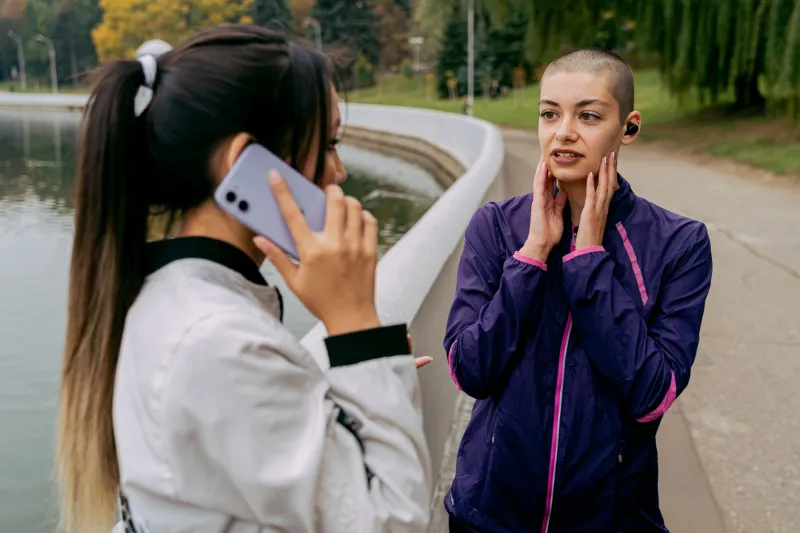
They met in a fan Discord server two years before things fell apart. They bonded over late-night comeback streams, matching photo card collections, and the kind of inside jokes that only make sense to people who are deeply, unapologetically into the same group. By most measures, they were best friends.
Then one of them posted a thread defending a ship the other one hated. Not just disliked — hated. What started as a comment turned into a weeks-long argument that bled from DMs into public callouts, dragged in mutual friends, and eventually ended with a block that neither of them has lifted since.
This isn't a one-off story. It plays out constantly inside K-pop communities, and if you've been in fandom long enough, you've probably either watched it happen or lived through it yourself.
Why Shipping Feels So Personal
For the uninitiated: shipping is the fan practice of rooting for a romantic (or sometimes platonic) pairing between two people — usually group members, sometimes characters from an associated drama or music video. It's been part of fan culture forever, crossing every genre from anime to Western pop. But in K-pop, it hits differently.
Part of that is the parasocial intensity baked into the genre. K-pop fandoms are built on closeness — fan meetings, personal fan letters, content designed to make you feel like you actually know these people. When fans develop that level of emotional investment in individual members, imagining relationships between them feels almost natural. Shipping becomes a way of extending that connection, of writing your own story into the spaces the artists leave open.
But here's the thing: when you care that deeply about someone — even someone you've never met — you also care about who they're with. And when another fan ships your bias with someone you think is wrong for them, it can feel weirdly like a personal attack.
"It sounds so ridiculous when I say it out loud," admits Priya, a 24-year-old fan from Atlanta who went through a falling-out with her closest fandom friend over a ship dispute. "But in the moment, it genuinely felt like she was disrespecting something I cared about. Like she didn't understand the group the way I did."
The Psychology Behind the Blowup
Fan researchers have spent a lot of time trying to understand why shipping disagreements escalate the way they do. One piece of the puzzle is identity fusion — the psychological phenomenon where a fan's sense of self becomes genuinely intertwined with their fandom. When your group, your bias, and yes, even your ship, are part of how you understand yourself, a challenge to any of those things registers as a challenge to you.
Add to that the way online spaces strip away social cues. In a face-to-face conversation, tone of voice, body language, and the general awkwardness of conflict in person all serve as natural brakes. Online, especially in the anonymous or semi-anonymous world of fan accounts, those brakes don't exist. A comment that might have been laughed off over boba at a fan meetup can turn into a full-scale argument when it's typed out and sitting there in a thread for everyone to see and pile onto.
There's also what some social psychologists call "moral licensing" — the way passionate communities start to frame their preferences as ethical positions. Once shipping a certain pairing becomes tied to ideas about respect, representation, or even the wellbeing of the actual members, disagreement stops being a difference of opinion and starts feeling like a moral failing.
"She wasn't just wrong about the ship," says Marcus, 21, from Chicago, describing a falling-out in his fandom group chat. "At least that's how it felt. She was wrong about everything — about who these people were, about what the fandom should stand for. I know that's extreme. But that's genuinely where my head was."
When the Group Chat Becomes a Courtroom
One of the most consistent patterns in these stories is how quickly shipping disputes pull in bystanders. Mutual friends get asked to pick sides. Group chats splinter. People who had nothing to do with the original argument suddenly find themselves in the middle of it, and the social cost of staying neutral starts to feel just as high as the cost of getting involved.
Kayla, 26, from Houston, watched her entire local fan meetup group collapse after a ship argument between two members went public on Twitter. "It wasn't even about the ship anymore after a certain point," she says. "It was about who had been loyal to who, who had shared screenshots, who had talked behind whose back. The ship was just the thing that broke the surface."
This is where the community aspect of K-pop fandom — the very thing that makes it so meaningful for so many people — can turn into a liability. Tight-knit communities are wonderful until they're not. The same closeness that makes fandom friendships feel so intense also makes the fallout from those friendships feel catastrophic.
Is There a Way Back?
Not always. But some fans say the distance helped them see things more clearly.
Priya and her former friend haven't spoken in over a year. She doesn't think they will. But she's thought a lot about what she'd do differently. "I wish I had just... let it be a difference of opinion," she says. "We agreed on literally everything else about the group. The ship stuff was such a small part of it. But I made it the whole thing."
Others have found ways through. Some fans describe having explicit conversations about shipping as a kind of fandom rule — something they agree to treat as creative and fun rather than serious and definitive. Some communities have started building in norms around ship discourse specifically to protect friendships from the kind of escalation that's become all too common.
The broader lesson, if there is one, is something that's easy to lose sight of when you're deep in a fandom: the people you find there are real, and the connections you build are real, even when the things you're debating are fictional. A ship is a story you tell. A friendship is something you actually have.
It's worth knowing the difference before you post.
Have you ever lost a fandom friend over a shipping dispute? Drop your story in the comments or share it with the KpopSNS community — we read every single one.