Nobody Warned Me: The Unspoken Rules of K-pop Fandom That Took Me Way Too Long to Figure Out
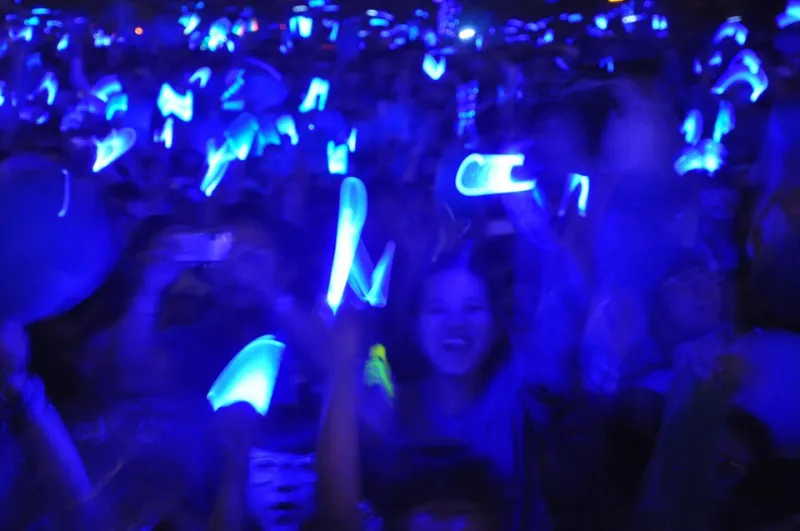
Photo: USAID Vietnam, Public domain, via Wikimedia Commons
So you've fallen down the rabbit hole. Maybe it started with one video, one live performance clip someone reposted on your feed, and suddenly you're three weeks deep into a discography you didn't know existed a month ago. Welcome. Genuinely — it's a great place to be.
But here's the thing nobody really prepares you for: K-pop fandom isn't just about the music. It comes with an entire ecosystem of norms, etiquette, inside language, and community expectations that can feel completely overwhelming when you're new. And because most of these rules are unwritten, figuring them out usually means learning the hard way — through an awkward comment, a misread situation, or a reply that absolutely did not land the way you intended.
We've all been there. This is the guide we wish existed on day one.
Fan Names Are Not Optional Trivia
One of the first things that catches new fans off guard is the significance of official fan club names. In the US, we're used to calling ourselves fans of an artist and just... moving on. But in K-pop communities, the official fan name — ARMY for BTS, BLINK for BLACKPINK, CARAT for SEVENTEEN, and so on — carries real weight. Using it correctly signals that you're genuinely part of the community, not just casually curious.
More importantly: don't mix them up. Calling a group's fanbase by the wrong name (or worse, making up a nickname because you think it's cuter) is the kind of thing that can get you side-eyed in a comment section faster than you'd expect. It's not about being gatekeepy — it's about respecting the identity that fans and artists have built together over years.
Pro tip: if you're not sure, just look it up before you post. Thirty seconds of googling will save you from a genuinely embarrassing moment.
Fancam Culture Has Its Own Code of Honor
Fancams — those hyper-focused fan-shot videos that zoom in on one member during a performance — are basically their own art form at this point. Fans spend real money on equipment, travel to shows, and dedicate hours to editing just to produce a clean fancam of their bias. That's not nothing.
The etiquette here is pretty straightforward once you know it: always credit the fancammer when you repost. Always. Grabbing a clip and reposting it without attribution is considered disrespectful, full stop. Most fancammers watermark their work specifically because this happens so often, but a watermark isn't a substitute for a proper credit in your caption.
Also — and this one surprises a lot of new fans — posting someone else's fancam in response to a tweet or thread about a different member or group is a known faux pas. It's seen as attention-grabbing in a way that tends to annoy people who were already engaged in a specific conversation. Read the room before you drop a fancam in someone's mentions.
Lightsticks Are More Than Merch
If you've ever watched a K-pop concert crowd on YouTube and noticed that sea of synchronized, color-coded lights, you've witnessed lightstick culture in action. These aren't just glow sticks from a party store — official lightsticks are often Bluetooth-enabled, designed to sync with the venue's system during shows, and they're deeply tied to fandom identity.
For fans attending their first concert in the US, here's what you need to know: bring the official lightstick for that group if you have one. Bringing a different group's lightstick to a show — even if you love both artists — tends to come across as tone-deaf. It's the kind of thing that won't get you kicked out, but it will earn some confused looks from the people around you.
If you don't have the official one yet, a plain light or glow stick in the fandom's color is generally a perfectly acceptable alternative. Just pay attention to what the crowd is doing and follow the energy.
The Bias System Is Serious Business (Kind Of)
Your "bias" is your favorite member of a group. Your "bias wrecker" is the one who keeps threatening to take over that top spot. These terms get thrown around constantly in K-pop spaces, and using them correctly is basically a baseline fluency test.
What catches new fans off guard is how seriously people take bias loyalty — and how quickly it can become a point of tension. Ranking members, implying one is more talented or more deserving of attention than others, or making dismissive comments about someone's bias in a shared fan space? That's a fast track to conflict.
The general community norm is to celebrate your own favorites without tearing down anyone else's. It sounds simple, but in practice, it requires a little more awareness than you'd think — especially on platforms like Twitter or TikTok where hot takes get amplified quickly.
Streaming Isn't Just Listening — It's Participation
This one genuinely surprises people who are new to active fandom. In K-pop communities, streaming — as in, deliberately playing songs on Spotify, YouTube, or Apple Music to boost chart performance — is treated as a form of collective action. Fans coordinate streaming parties, share guides on how to stream "correctly" (unique devices, no skipping, full plays), and celebrate chart milestones together like they won something as a team.
If you join a fan community and suddenly see posts about streaming goals or organized listening events, that's what's happening. You're not required to participate, but understanding why it matters to people will help you engage more meaningfully. For a lot of fans, streaming is one of the most tangible ways they feel like they're directly supporting their favorite artists from thousands of miles away.
When You Don't Know, Ask — But Ask Right
Here's maybe the most important thing: it's completely okay to be new. Every single person in every fandom started at zero. The community genuinely tends to be welcoming to people who are curious and respectful.
The key is how you ask. Jumping into a fan space and demanding explanations, or dismissing things you don't understand yet as weird or excessive, tends to go over about as well as you'd expect. But showing up with genuine curiosity — "hey, I'm new to this, can someone explain the streaming thing?" — almost always gets a warm response.
Fandom spaces, at their best, are built on shared enthusiasm. When you lead with that, people notice.
The learning curve is real, but it's also kind of part of the experience. Every awkward moment, every time you had to quietly google something mid-conversation, every rule you figured out just a little too late — that's the actual process of becoming part of something. And once you're in, the community you find on the other side of that learning curve is genuinely worth it.
Welcome to the fandom. You'll figure it out.