Clues, Theories, and Rabbit Holes: Inside the K-pop Fandom's Obsession With Cracking the Code
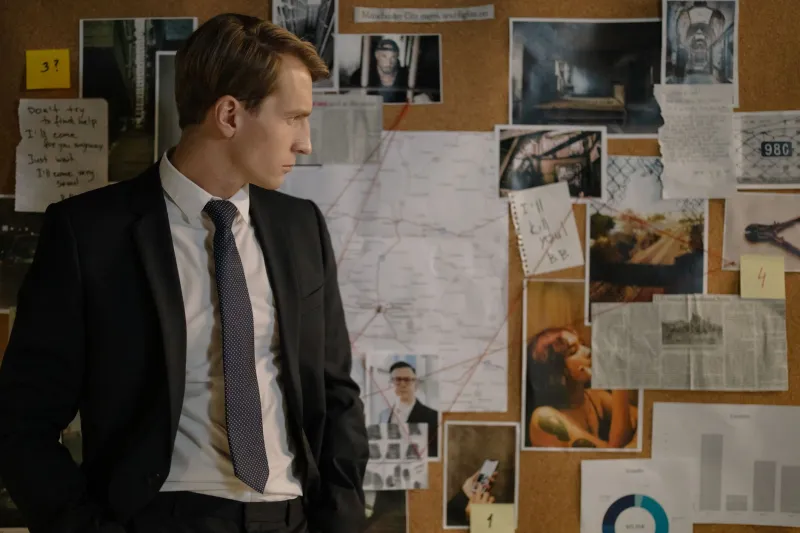
Somewhere between checking your For You page and refreshing an artist's Instagram for the fourth time in an hour, a certain kind of K-pop fan transforms. They stop being a casual listener and start being something closer to a detective. Not in a dramatic, fictional sense — in a very real, very organized, and sometimes shockingly accurate sense. Fan sleuthing has become one of the defining behaviors of modern K-pop culture, and in the US, it's absolutely thriving.
Whether it's catching a half-second clip in a vlog that hints at a new music video set, or noticing that three members of a group all went quiet on social media on the same day, American K-pop fans have developed a genuinely impressive eye for spotting patterns. And they're not doing it alone.
The Investigation Starts Online
If you want to understand where this all happens, look no further than the corners of Reddit and Twitter that K-pop communities have basically claimed as their own. Subreddits dedicated to specific groups or the broader K-pop scene regularly host threads that function like open case files. Someone spots something — a blurred background in a photo, a lyric that mirrors something an idol said in an old interview, a coordinated like from an unexpected account — and within hours, dozens of fans are building on it.
Twitter threads are where things get really organized. Fans will pin a theory at the top, lay out their evidence in chronological order, and tag it with timestamps. It's structured. It's methodical. And it's often surprisingly convincing. These aren't just wild guesses thrown at a wall — they're collaborative analyses built by people who have spent years paying close attention to how their favorite artists communicate.
Platforms like KpopSNS have become a natural home for this kind of content too, because the community aspect matters. Sleuthing isn't just about being right — it's about working through the mystery together, sharing what you noticed, and getting that rush when someone else connects a dot you missed.
What Fans Are Actually Looking For
The targets of fan investigation tend to fall into a few major categories. Comeback predictions are probably the most common. K-pop agencies are notoriously secretive about release schedules right up until they're not, which means fans have gotten incredibly good at reading the signals that typically precede an announcement. A sudden drop in social media activity, a change in profile photos, stylists posting from unfamiliar locations — all of it gets catalogued and cross-referenced.
Then there are the dating rumors, which carry a different energy entirely. This is where fan sleuthing gets more complicated and, honestly, more controversial. Some fans approach it with genuine curiosity and a relatively light touch. Others get intensely invested in ways that can cross into uncomfortable territory. But the investigative behavior itself — matching up vacation timelines, comparing background details in separately posted photos — follows the same pattern as comeback hunting. It's the same skill set applied to a much more personal subject.
Collaboration leaks are another big one. When two artists from different groups are spotted in the same city, or when a producer's studio playlist briefly shows an unexpected name, the fandom internet goes into full alert mode. These discoveries often turn out to be accurate weeks or months before any official announcement.
The Psychology Behind the Hunt
So why do fans love this so much? Part of it is just the pure satisfaction of puzzle-solving. There's something genuinely fun about sitting with a set of scattered clues and trying to make them cohere into something meaningful. That's not unique to K-pop — true crime podcasts and ARG communities tap into the same instinct. But K-pop adds a layer that most puzzles don't have: emotional stakes.
When you're deeply invested in an artist, every piece of information about them feels significant. A comeback isn't just a new release — it's a moment you've been anticipating, maybe for months. So the act of predicting it, of being part of the community that figured it out early, carries real emotional weight. You're not just solving a puzzle. You're participating in something you care about deeply.
There's also a social dimension that's easy to underestimate. Sleuthing gives fans a reason to interact beyond just sharing appreciation for music. It creates a shared project, a common goal. When a theory lands, the whole community gets to celebrate together. When it doesn't pan out, there's a collective groan and a reset. Either way, the process pulls people closer.
How Accurate Are the Theories, Really?
Honestly? Better than you might expect. Fan communities have correctly predicted comeback windows, identified unreleased tracks before they were announced, and spotted relationships before agencies confirmed them. There are famous cases in K-pop fandom history where fan sleuths pieced together a full picture from almost nothing — and turned out to be completely right.
That said, the miss rate is also real. For every theory that hits, there are plenty that spiral into elaborate constructions built on coincidences. The challenge is that K-pop agencies are also aware of fan sleuthing culture and sometimes deliberately plant misleading signals or go out of their way to obscure information. It's almost become a game between labels and their most dedicated fans — and both sides know they're playing.
The communities themselves have gotten better at self-regulating, though. More experienced fans will often pump the brakes on theories that are reaching too far, or flag when a thread is treating speculation as confirmed fact. There's a growing culture of labeling things clearly — "theory," "unconfirmed," "just for fun" — that keeps the energy playful without letting it tip into misinformation.
When Sleuthing Gets Complicated
It's worth naming the tension here, because it's real. Investigating public-facing content — official accounts, released music, promotional material — is pretty clearly in bounds. But fan sleuthing doesn't always stay there. When it moves into tracking personal locations, digging through private social media, or speculating about relationships in ways that feel invasive, it stops being a fun community activity and starts being something else.
Most fans draw that line intuitively. They know there's a difference between noticing that an album's color palette matches a teaser from six months ago versus trying to figure out where an idol spent their vacation. But the line gets blurry in practice, and it's a conversation that K-pop communities are genuinely having — especially as parasocial relationships between fans and artists have gotten more intense and more visible.
It's Still One of the Most Fun Parts of Fandom
All of that said, the detective culture inside K-pop fandom is, at its core, a pretty joyful thing. It's fans being creative, engaged, and genuinely smart about something they love. It's communities forming around a shared project. It's the thrill of being in on something before it's official, of feeling like you're part of the story as it unfolds.
If you've never gone down a fan theory rabbit hole, find a good Reddit thread next time a comeback is rumored. Give yourself twenty minutes. See if you don't come out the other side a little more invested — and maybe a little more impressed by what your fellow fans have put together.
The clues are out there. The community's already working on them. You might as well join in.