Three Generations, One Lightstick: The American Families Fanning Out Together
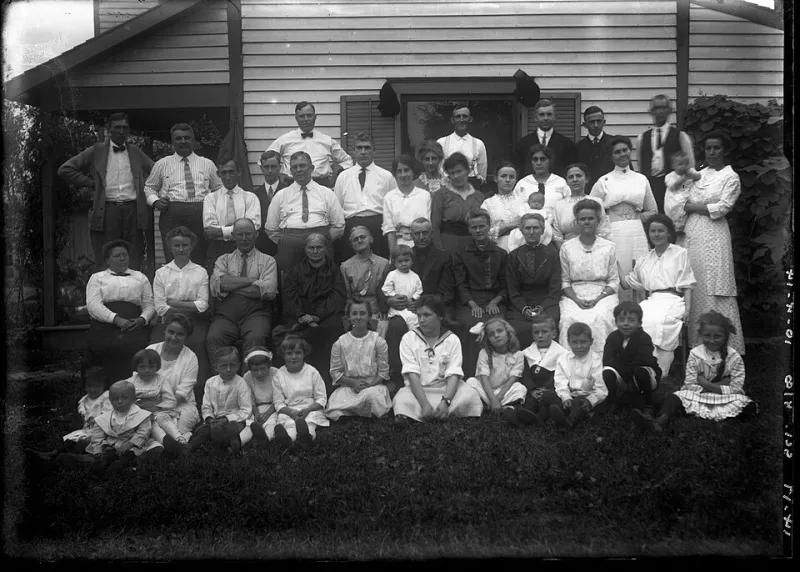
Photo: Warner, Marion G., 1861-1922, Public domain, via Wikimedia Commons
The first sign is usually the car. A parent who once asked why the music was so loud now knows the fan chant. A grandparent who came along as a chaperone is filming the encore. A teenager in the back seat is pretending to be embarrassed while secretly checking whether everyone remembered their lightsticks.
K-pop fandom in the US has never been one age group. But in 2026, it is increasingly one household. Parents, teens, and grandparents are showing up to the same arenas, sharing the same streaming playlists, and arguing in the same family group chat about which comeback schedule is the most unreasonable. The result is a multigenerational fandom that is reshaping community spaces from the living room to the KpopSNS feed.
When the Carpool Becomes a Fandom
For plenty of families, the entry point is practical. A parent drives a teen to a concert and ends up learning the setlist. A grandparent watches a music show while babysitting and gets curious about the subtitle jokes. A younger fan introduces an older sibling to a group, and suddenly the whole family has opinions about line distribution.
What starts as support becomes participation. The family car becomes a rolling listening party. The kitchen table becomes a debate stage about title tracks. Birthdays turn into lightstick upgrades. It is not that every family member becomes a superfan overnight. It is that the shared language of fandom gives them something to talk about that is not chores, school, or work.
The Living Room Is the First Concert Venue
Multigenerational fandom changes how families watch content. Subtitles matter more. Volume levels become a negotiation. Someone wants the music show live at 3 a.m.; someone else wants the replay at breakfast. The family group chat fills with links, translated clips, and warnings about spoilers.
It also changes how fans talk to each other online. A parent might not recognize every slang term, but they understand the excitement. A teen might not know the history of a second-generation group, but they can explain why a fancam is going viral. In KpopSNS groups, families increasingly ask for age-friendly spaces where a parent can post a question without being treated like an intruder, and a teen can be enthusiastic without being treated like a child.
Concert Etiquette Across Generations
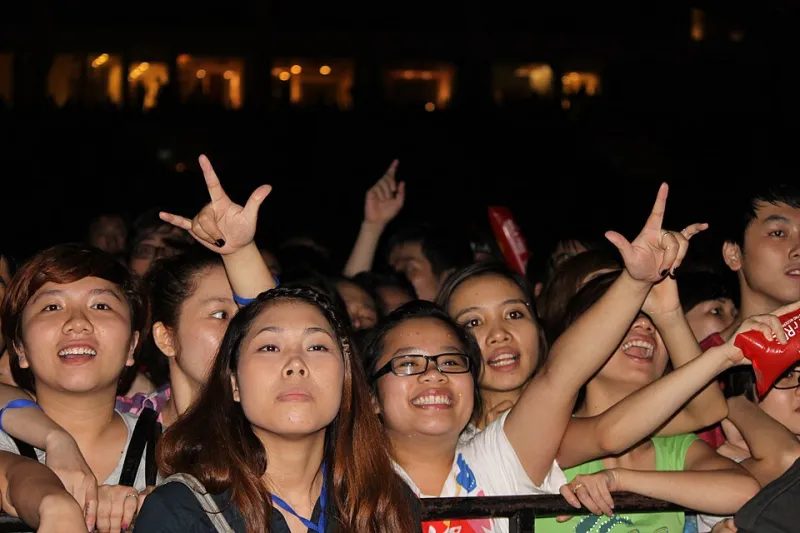
Concerts are where the multigenerational fandom becomes visible. You will see a parent in a folding chair holding a banner, a teen standing on tiptoe for a better view, and a grandparent with ear protection and a very strong opinion about the encore.
The etiquette is not always obvious. Standing sections can be tough for older fans. Signage that blocks sightlines can be annoying for everyone. A teen wants to be near the barricade; a parent wants a clear exit route and a bathroom plan. The best family concert strategy is boring but effective: talk before the show, check the venue's accessibility options, bring ear protection, agree on a meeting point, and do not make the youngest fan carry everyone's merch.
The Family Group Chat Is the Real Fan Community
Some of the most active K-pop communities are not public. They are family group chats with names like 'Comeback Emergency' or 'Lightstick Logistics.' These chats handle voting reminders, streaming links, ticket budgets, and the important work of talking someone out of buying a fourth version of the same album.
Parents bring a different kind of fandom labor. They handle the logistics, the budgets, and the transportation. Teens bring speed, slang, and a terrifying ability to find a fancam from six years ago. Grandparents bring perspective, patience, and the willingness to ask the question everyone else is afraid to ask: why is the teaser photo just a blurry shoe?
Why Fandom Spaces Need to Grow Up With Their Fans
K-pop has always had fans of different ages, but the US fandom has often been marketed as a youth space. That is changing. Multigenerational fans need platforms that do not assume everyone is a teenager or that every parent is just a chaperone. They need community guidelines that protect younger fans without treating older fans like outsiders.
That means more family-friendly groups, clearer content warnings, and moderators who understand that a forty-year-old fan and a fifteen-year-old fan can both be genuine. It also means recognizing that fandom is often a household activity, not a solitary one. The family that fans together does not need a special corner of the internet. It needs the same community everyone else has, with a little more room for carpool schedules.