The Lightstick Stays on the Shelf: Loving a Group That Doesn't Exist Anymore
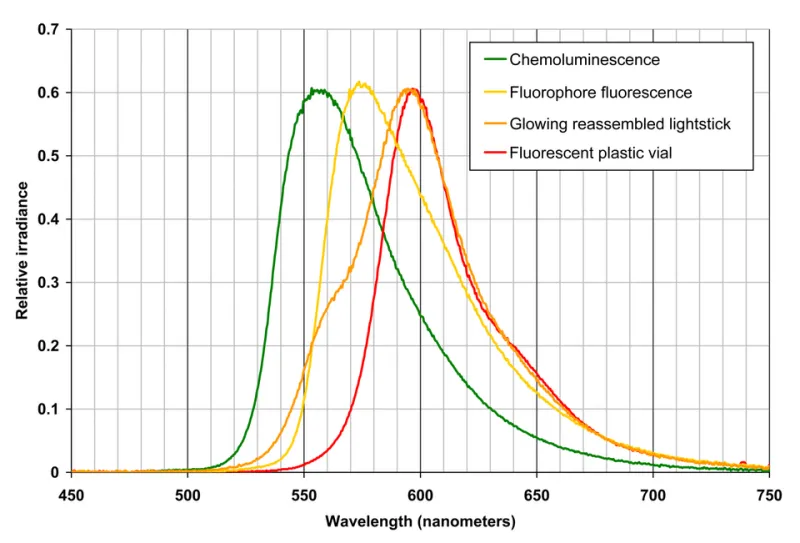
Photo: Deglr6328, CC BY-SA 3.0, via Wikimedia Commons
Here's a sentence K-pop fans dread more than any other: the group has disbanded.
It usually arrives as a press release, a handwritten letter, maybe a final song that was clearly a goodbye before anyone admitted it. And then the fandom is left standing in the wreckage of a group chat with a name that no longer makes sense, holding a lightstick that will never sync to anything again.
I want to make an unpopular argument: the disbandment is not the end of the fandom. Sometimes it's the moment the fandom gets real.
The Strange Grief Nobody Prepared You For
Losing a group is a weirdly specific kind of loss. It's not death, obviously. It's not even a breakup, exactly. It's more like your favorite restaurant closing — the food still exists in your memory, you can revisit it anytime, but there will be no new nights there.
American fans especially seem to struggle with the ambiguity. There's no script for it. Do you unfollow? Do you keep streaming? Are you still a fan of a group that can no longer be a group?
The honest answer from fans who've been through it: you figure it out one small decision at a time. Some people quietly mute the group chat. Some people rewatch every music video in chronological order like a wake. Most do both, at 2 a.m., in the same week.
The Secondhand Market of Goodbyes
Walk into the resale side of fandom and disbanded groups occupy a strange economic zone. Albums and photocards from ended groups can swing wildly — some crash because demand dries up, others skyrocket because supply is frozen forever. A photocard from a group that disbanded in 2018 isn't just merch anymore. It's a limited edition of a finite history.
There's something both sweet and slightly haunted about it. Buying merch for a disbanded group is a way of saying: this mattered, even after it ended.
Why Some Fandoms Get Stronger After the End
Here's the part nobody expects. Ask around in long-running fandom communities and you'll hear it again and again — the fandom that survives disbandment is often tighter, warmer, and less chaotic than the one that existed during the comeback cycles.
It makes sense when you think about it. During active eras, fandom runs on competition: streaming numbers, voting, chart positions, fan wars. Strip all that away and what's left is the actual reason anyone showed up — the music, the members, the memories. There's nothing left to fight about. Just people who loved the same thing, still loving it.
The group chats don't dissolve. They change topics, then change again, and eventually you realize the group chat was never really about the group. It was about the people.
Keep the Lightstick. That's My Whole Take.
So no, I don't think you owe a disbanded group your streams forever. You don't owe anyone performative grief. But the lightstick on the shelf? Keep it. Not as a shrine — as a bookmark. A little glowing reminder of an era of your life.
Disbanded doesn't mean deleted. Some of the best fandom stories start after the final bow.